BIOCAT & BIOCAN (IIOE-2)
The northern Indian Ocean hosts two of the most intense oxygen minimum zones of the world’s ocean: the Arabian Sea and the Bay of Bengal. The more intense oxygen minimum in the Arabian Sea, is created by increased primary production due to the southwest and northeast monsoon. Denitrification takes place in the oxygen minimum zone, making the Arabian Sea to one of the most important oceanic nitrogen sinks. These processes are significantly affected by global warming and rising nutrient inputs. Anthropogenic activities are already impacting the Arabian Sea's role in the global nitrogen cycle and will continue to do so more intensively in the future.
In the Bay of Bengal, oxygen concentrations are slightly higher and above the denitrification threshold. However, rising anthropogenic inputs of nutrients and trace substances may increase oxygen depletion, potentially pushing conditions beyond the tipping point for denitrification and creating an additional nitrogen sink in the ocean.
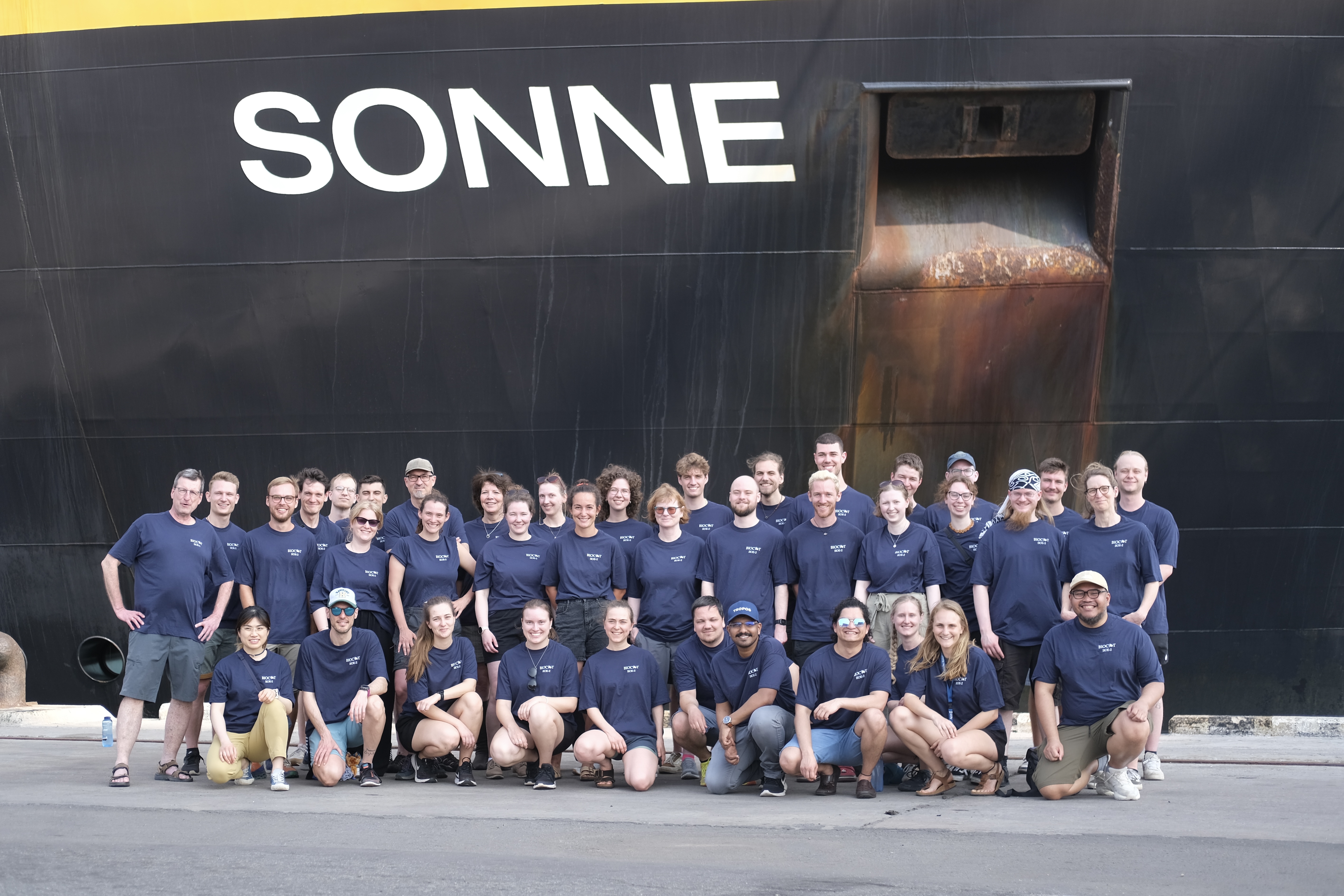
BIOCAT-IIEO2: Biogeochemical and atmospheric processes in the Bay of Bengal – The carbon cycle. During the SONNE 305 research cruise, the main element cycles, oxygen concentrations and anthropogenic inputs of dissolved and particulate matter in the Bay of Bengal were investigated. (Photo: SO305 - 1. Weekly Report, 9.-14.4.2024)
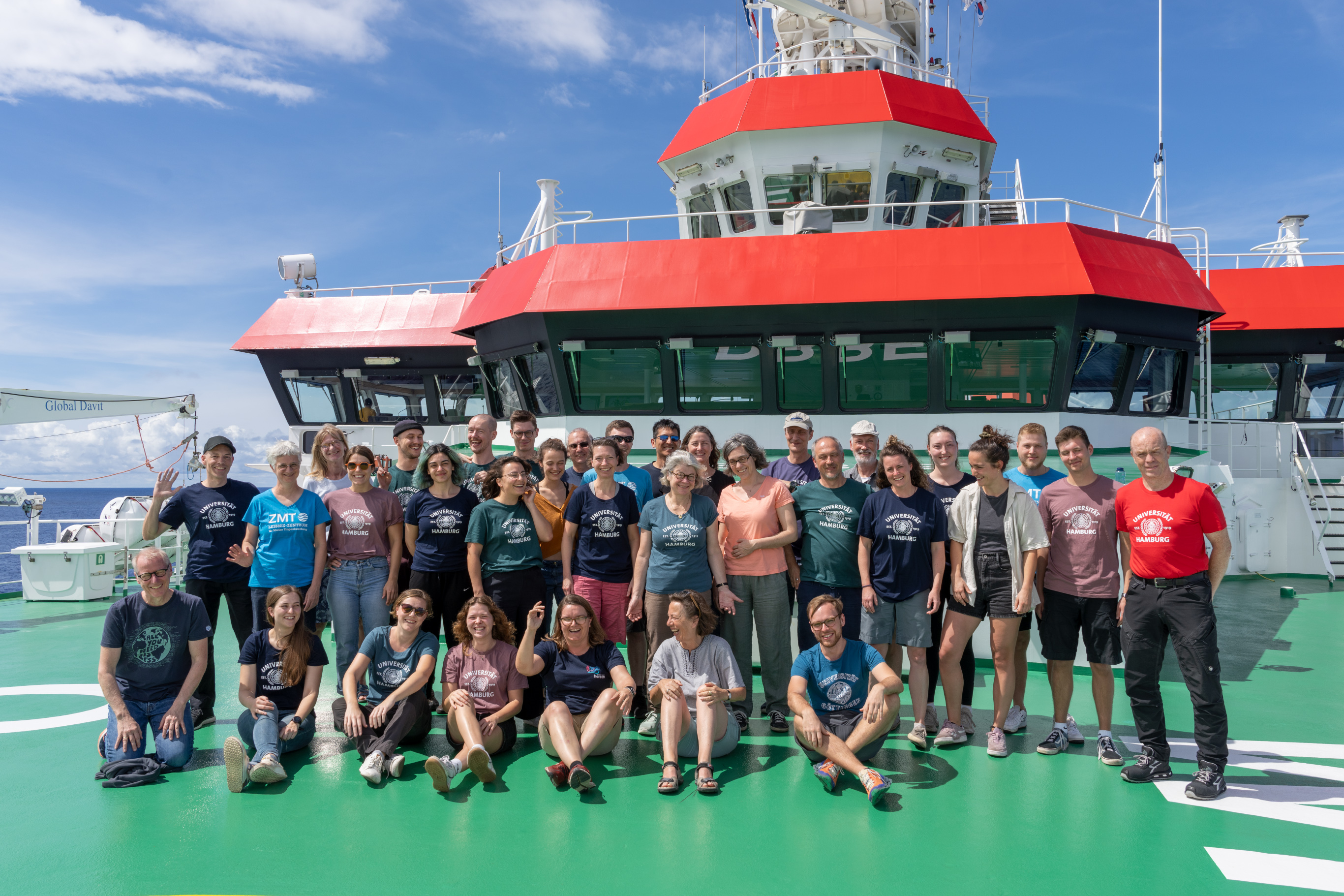
BIOCAN-IIEO2: Biogeochemistry of carbon and nitrogen in the Arabian Sea – Development of the oxygen minimum zone. During the SONNE 303 research cruise, biogeochemical processes in the Arabian Sea were investigated. The focus was on studying the nitrogen cycle and the decomposition of organic matter across various timescales. (Photo: SO303 - Cruise Report 7.1.-9.2.2024)
At the institute of Carbon Cycles, we investigate the sources and processes of nitrogen in the water column by means of stable isotopes. The results will improve our understanding of the formation and future development of oxygen minimum zones and at the same time will help us to better assess the role of climate climate change and the human acitvities.
Lean more: 2nd International Indian Ocean Expedition (IIOE-2)